
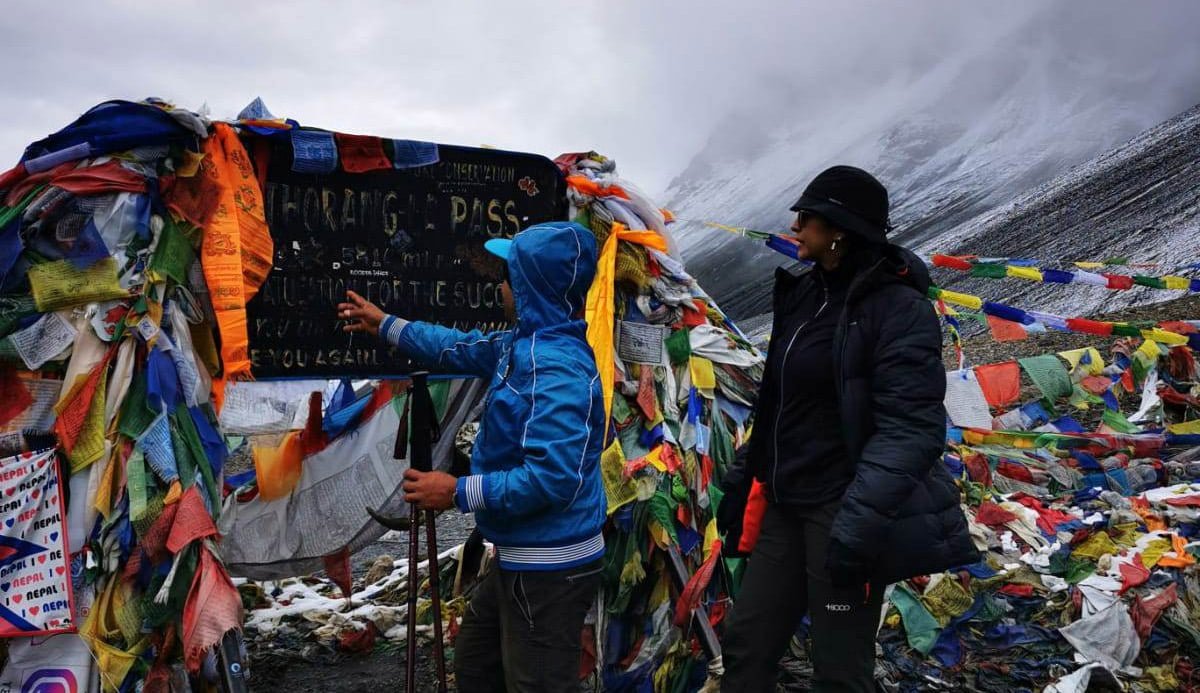
Of the most high-traffic trekking adventures in the world, the Everest Base Camp Trek welcomes thousands of “outdoorsmen and women” per season. Among all the trekking seasons, autumn is considered the best seasonal timing to witness breathtaking Himalayan beauty. Late September — November: Clear blue skies with comfortable temperatures and primarily crystal-clear views of the mountains.
This ideal weather pattern makes for a less hazardous and more enjoyable hike to Everest Base Camp. Whether you are a regular trekker or planning for your first Himalayan trek, this season provides us a perfect balance of spectacular trekking trails and delightful memories in one of the brightest trekking destinations of Nepal.
Physical Stamina: Maximum Pre-Australian Trek Use
Allowing enough time for your body leading up to the Everest Base Camp trek is the biggest thing that will be vital to being able to complete the trek in a lot more comfortable style. You will be hiking for a few hours per day, up and down steep hills, so you need to have very good cardiovascular conditioning. Organize your training easily so it will start eight to twelve weeks before departure, calculating walking, jogging, cycling, or swimming per week.
Strength training in your legs, core, and back will also help you deliver a better carry. But do practice hikes in at least similar ones; the time of year will be brought to bear when you are trekking in Nepal as well—this forms our bodies into obtaining what we could definitely anticipate from the hike alone, and even easier trails give high elevation crossings, and a few noon climbs on hot days can easily find someone pushing their legs above endurance.
Understand the Altitude Challenge
Altitude is a major part of preparing for the Everest Base Camp adventure, but you, unlike your good and well-researched friend, are not concerned with altitude here. The reason, you must realize, is that as you start climbing above 3,000 meters, the concentration of oxygen falls, so physical exertion becomes more difficult.
You will be aware of the symptoms of altitude sickness, which include headaches, dizziness, tiredness, and nausea; hence, you can respond quickly in case any issues arise. Complications are very much avoided if you have a systematic itinerary with some acclimatization days included. Slow breathing, drinking lots of water and not Putting too much stress on our bodies helps make the Himalayan trek safer. Having awareness of altitude makes for a comfortable and gradual acclimatization.
Dress with proper clothing and equipment
Trek Prep for a fall expedition: packing One of the smartest parts about Trek Prep, in the first place. Daytime temperatures are more bearable, but mornings and evenings can be bitterly cold, as they are at Everest Base Camp. Layering is your best friend that helps you deal with the fluctuations throughout your day!
A well-built clothing system would include a moisture-wicking base layer, insulated jacket, and waterproof outer shell, and in addition to warm gloves / a thermal hat, you will also require trekking pants and high-quality hiking boots alongside. Because it is important to have a good backpack, be sure not to forget sunglasses or sunscreen in your kit, as well as a pair of comfortable trekking socks. If you are outfitting comfortably or for safety, purchasing great equipment makes your Nepal trek far more pleasurable.
Choose Quality Trekking Gear Carefully
Selecting the right trekking gear is a very good element for the Everest Trek; you may have noted the distinction. We recommend taking hiking boots that are already used before the trip; otherwise, you may get blisters and pain. They take strain off your knees on the way down a physiologically painful slope or aid you in stabilizing over unregulated ground.
A sleeping bag that has been insulated means better sleep on frigid fall nights, which spiral right into frost-ridden mornings in mountain teahouses. Which means most portable chargers, reusable water bottles (if you sport one), headlamps (for those who hike early/late), and packable rain gear. Himalayan Trekking Preparation: Investing in dependable gear helps trekkers remain absorbed in the awe-inspiring views of the Himalayas and not bogged down by avoidable gear woes.
Itinerary and Required permits
A well-planned itinerary is one of the key success factors for the Everest Base Camp Trek. Almost all trekkers complete the route in a maximum of twelve to fourteen days, making sure there is enough time for reasonable acclimatization and gradual ascent. Expediting the itinerary will put health at risk, and moreover, it misses a chance to marvel at beautiful mountain scenery.
Before heading into the trek, one needs to get the required entrance permission for Sagarmatha National Park and the Khumbu region. As autumn is the peak trekking season in Nepal, it is wise to book all accommodation, domestic flights into Lukla and experienced guides far ahead of your itinerary as everything stays perpetually busy.
Feeding yourself (and staying hydrated) along Markers
When trekking at Everest Base Camp, keeping the energy level high is an essential prerogative, and more than staying fueled & hydrated is the key. Caloric requirements are considerably higher, and in many cases, travelers do not understand just how much energy it requires to walk at the altitudes of a journey that will need 3-4 times the meals balanced day by day.
Fatty traditional Nepalese food, soups, rice and pasta dishes, potatoes, and hot drinks will provide sufficient energy for long walking days. It guarantees that you will not increase the risk of dehydration, and it will also help your body adapt to higher altitudes if he or she drinks at least three to four liters of water every day. Moderation with alcohol and no coffee also assists you in adapting better. In the Himalayas, proper hydration and healthy, nourished meals help to overcome less pain while safely hiking up the trail.
Preparing for the Trip Mentally — a Journey to the Himalayas
In addition to being physically approachable for this journey, the mental side is reflected in the fact that you can be fit but still not make it to Base Camp Everest. The weather conditions, the long walking hours, clothing adjustments, and simple lodgings challenge your patience and approach.
By setting realistic expectations, you are trained to understand that in no way is trekking to Everest Base Camp all about making the trek to EBC but enjoying every leg along the adventure. However, with a little positive mindset, a gradual pace, and stunning Himalayan surroundings, it can be a truly fulfilling adventure. A great thing about trekking in Nepal is whenever we start looking through the lens, the trek is not a race but a journey.
Discover the salience of Sagarmatha National Park.
Mysterious trails through Sagarmatha National Park If you loved the walk through Sagarmatha NP. You will be blown away by the amazing mountain scenery, epic valleys, and glacial rivers mixed with classic Sherpa villages, creating an entirely different trekking environment—one of the real joys of the Everest trek!
Scenery Obsessed—Autumn is the best season to take pictures, as there are near 100% clear skies with inescapable views of Everest, Lhotse, Ama Dablam, and other neighboring high peaks. This leads trekkers to friendly locals, ancient monasteries filled with monks, colorful prayer flags, and tea houses for tourists. And this is why the Himalayan Trek is an utterly beautiful travel experience that the world has to offer; you simply cannot get bad views on any day.
Final Tips to Make sure You have a Successful Everest Base Camp Trek
Training properly before embarking upon the trek up to Everest Base Camp makes it smoother, more enjoyable, and more comfortable. Physical preparation, trek preparation intelligence, and selecting the correct equipment for their situation, maybe not ignoring acclimatization, give the basis by which they can create a safe adventure.
Autumn is the best season among mountain lovers for its great weather, visibility, and stable trekking conditions throughout the Himalayas. Whether you are trekking to Everest Base Camp, Sagarmatha National Park, or simply want a memorable Nepal trek, planning sure helps; making every step purposeful—be it good or bad—is part of the whole story. Be prepared, plan sensibly, and respect the mountains, and your hiking adventure this autumn could be one of the best trips you experience.